

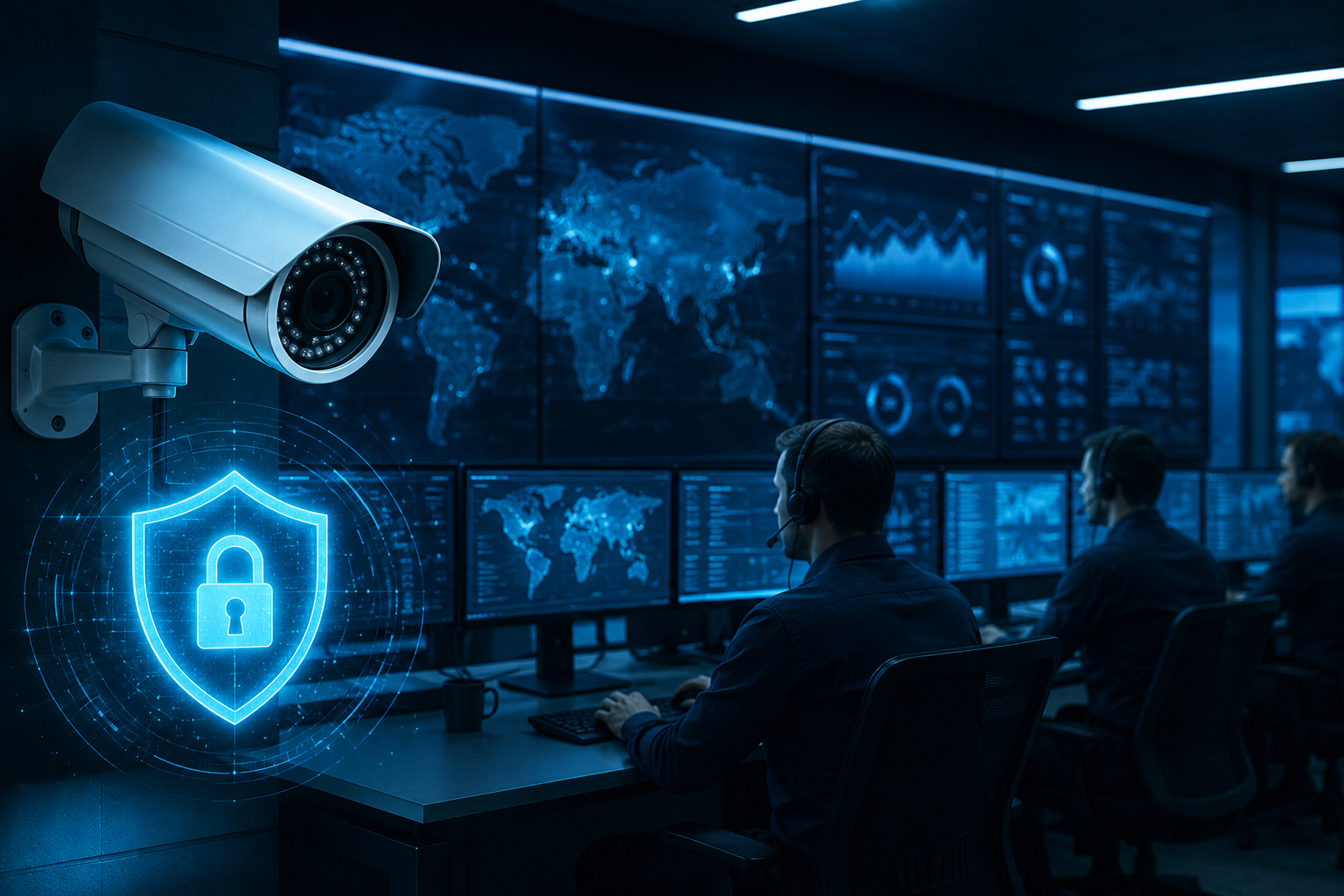
Cyber threats no longer operate on a fixed schedule. Attackers launch ransomware attacks, phishing campaigns, credential theft, insider attacks, and zero-day exploits at any hour of the day. Whether it’s a weekend, public holiday, or late at night, cybercriminals are constantly looking for vulnerabilities to exploit.
For businesses, this means traditional business-hours security is no longer enough. A delayed response—even by a few hours-can lead to significant financial losses, operational disruptions, regulatory penalties, and reputational damage.
This is where 24/7 Security Monitoring becomes critical. Continuous monitoring enables organizations to identify suspicious activities in real time, investigate security events quickly, and respond before incidents escalate into major breaches.
By leveraging Managed Security Services, businesses gain access to experienced cybersecurity professionals, advanced monitoring technologies, and Security Operations Center (SOC) capabilities without the expense of building an in-house security team.
In this article, we’ll explore why continuous monitoring matters, how SOC Monitoring works, and why Threat Detection should be a top priority for organizations of every size.
The Modern Cybersecurity Landscape
Digital transformation has expanded the attack surface for businesses. Cloud platforms, remote workforces, IoT devices, mobile applications, and hybrid infrastructures create more opportunities for cyber attackers.
Today’s cyber threats include:
- Ransomware attacks
- Business Email Compromise (BEC)
- Insider threats
- Credential theft
- Malware infections
- Advanced Persistent Threats (APTs)
- Supply chain attacks
- Zero-day vulnerabilities
Many of these attacks begin with subtle indicators that can easily go unnoticed without continuous monitoring.
Businesses can no longer rely solely on antivirus software or firewalls. Modern cybersecurity requires ongoing visibility across the entire IT environment.
What Is 24/7 Security Monitoring?
24/7 Security Monitoring is the continuous observation and analysis of an organization’s IT infrastructure, networks, endpoints, cloud environments, and applications to identify suspicious activity and respond to security incidents in real time.
Security monitoring includes:
- Continuous log monitoring
- Network traffic analysis
- Endpoint monitoring
- User behavior analytics
- Cloud security monitoring
- Threat intelligence integration
- Security event correlation
- Incident investigation
- Alert prioritization
Instead of waiting until employees report an issue, security monitoring identifies threats as they occur.
Why Cybercriminals Attack Outside Business Hours
Attackers intentionally target organizations during:
- Nights
- Weekends
- Holidays
- Long weekends
- Shift changes
The reason is simple.
During these periods:
- Fewer IT staff are available.
- Response times increase.
- Security alerts may go unnoticed.
- Attackers have more time to spread malware.
A ransomware attack that begins at midnight may encrypt hundreds of servers before employees arrive the next morning.
Continuous monitoring minimizes this risk by ensuring security teams are always watching.
The Role of SOC Monitoring
A Security Operations Center (SOC) is a centralized team responsible for monitoring, detecting, investigating, and responding to cybersecurity incidents.
SOC analysts continuously review security alerts generated by:
- Firewalls
- SIEM platforms
- Endpoint Detection and Response (EDR)
- Identity management systems
- Cloud platforms
- Email security gateways
- Intrusion Detection Systems (IDS)
- Network monitoring tools
Rather than reacting after damage occurs, SOC teams proactively investigate suspicious behavior.
This significantly reduces the time attackers remain undetected within an organization’s environment.
Benefits of 24/7 Security Monitoring
1. Faster Threat Detection
The longer an attacker remains inside a network, the greater the potential damage.
Continuous monitoring helps identify:
- Unauthorized access
- Malware infections
- Suspicious login attempts
- Data exfiltration
- Privilege escalation
- Lateral movement
Early detection reduces business impact.
2. Reduced Incident Response Time
Quick response is essential in cybersecurity.
24/7 monitoring enables security analysts to:
- Investigate alerts immediately
- Isolate infected devices
- Block malicious IP addresses
- Disable compromised accounts
- Prevent attackers from spreading
This dramatically reduces recovery time.
3. Protection Against Ransomware
Ransomware remains one of the biggest threats to businesses worldwide.
Continuous monitoring can detect:
- Unusual file encryption
- Mass file modifications
- Command-and-control communications
- Suspicious PowerShell activity
- Malware execution patterns
Stopping ransomware during its early stages can prevent widespread disruption.
4. Improved Compliance
Many industries require organizations to monitor security continuously.
Examples include:
- ISO 27001
- PCI DSS
- HIPAA
- GDPR
- NIST Cybersecurity Framework
- SOC 2
Managed monitoring helps organizations demonstrate compliance by maintaining logs, generating reports, and documenting incident response activities.
5. Better Visibility Across IT Environments
Today’s IT environments are distributed across:
- On-premises infrastructure
- Cloud services
- Hybrid environments
- Remote employees
- Mobile devices
24/7 monitoring provides centralized visibility across all these environments, making it easier to identify suspicious activity regardless of where it occurs.
6. Minimized Business Downtime
Cyber incidents can halt operations, affect customer service, and disrupt revenue.
Continuous monitoring helps prevent:
- Network outages
- Data loss
- Service interruptions
- Business disruption
The result is improved operational resilience.
7. Cost Savings
The cost of recovering from a cyberattack is often far greater than the investment in preventive monitoring.
Businesses can avoid expenses related to:
- Incident recovery
- Legal fees
- Regulatory fines
- Lost productivity
- Customer compensation
- Reputation management
Preventive monitoring reduces both financial and operational risks.
How Managed Security Services Strengthen Cybersecurity
Building an in-house SOC requires significant investment in:
- Security analysts
- SIEM platforms
- Threat intelligence tools
- Security infrastructure
- Ongoing training
- 24/7 staffing
For many organizations, maintaining this level of expertise around the clock is not practical.
Managed Security Services (MSS) provide access to experienced cybersecurity professionals, advanced tools, and continuous monitoring without the overhead of creating an internal SOC.
Typical managed security offerings include:
- SOC monitoring
- Threat detection
- Security event analysis
- Incident response support
- Vulnerability management
- Endpoint monitoring
- Firewall management
- Security reporting
- Threat intelligence integration

This enables businesses to strengthen their security posture while focusing on core operations.
Key Technologies Behind Effective Threat Detection
Modern security monitoring relies on a combination of advanced technologies.
These commonly include:
- Security Information and Event Management (SIEM)
- Endpoint Detection and Response (EDR)
- Extended Detection and Response (XDR)
- User and Entity Behavior Analytics (UEBA)
- Threat Intelligence Platforms
- Security Orchestration, Automation, and Response (SOAR)
- Network Detection and Response (NDR)
Together, these technologies help security teams correlate events, prioritize alerts, automate repetitive tasks, and respond more effectively to evolving threats.
Signs Your Business Needs 24/7 Security Monitoring
Your organization may benefit from continuous monitoring if you:
- Store sensitive customer or financial data.
- Operate cloud or hybrid infrastructure.
- Support remote or distributed workforces.
- Have experienced phishing or malware attacks.
- Must meet regulatory compliance requirements.
- Lack an internal cybersecurity team.
- Need continuous visibility into your IT environment.
- Want faster detection and response to security incidents.
Even small and medium-sized businesses are increasingly targeted because attackers often view them as having fewer security resources.
Choosing the Right Managed Security Partner

When evaluating a managed security provider, consider:
- Round-the-clock SOC monitoring
- Certified cybersecurity professionals
- Proven incident response capabilities
- Advanced threat detection technologies
- Compliance expertise
- Transparent reporting and dashboards
- Scalability for future business growth
- Integration with existing security tools
A trusted partner should work as an extension of your internal IT team, helping you strengthen your overall cybersecurity posture.
Best Practices for Continuous Security Monitoring
To maximize the value of 24/7 monitoring:
- Monitor all critical assets, including cloud and on-premises systems.
- Regularly update security tools and threat intelligence feeds.
- Establish clear incident response procedures.
- Prioritize high-risk alerts to reduce response times.
- Conduct periodic security assessments and vulnerability scans.
- Train employees to recognize phishing and social engineering attacks.
- Review monitoring reports to identify trends and areas for improvement.
Combining technology, processes, and skilled professionals creates a stronger defense against modern cyber threats.
Cyber threats are relentless, and businesses can no longer rely on traditional, office-hours security practices. Continuous 24/7 Security Monitoring enables organizations to detect suspicious activity early, respond quickly to incidents, and minimize the impact of cyberattacks.
By adopting Managed Security Services with expert SOC Monitoring and advanced Threat Detection, organizations gain continuous visibility into their IT environments, improve compliance, reduce downtime, and strengthen their overall security posture.
Whether you’re a growing business or a large enterprise, investing in continuous cybersecurity monitoring is no longer optional – it’s an essential part of protecting your operations, data, customers, and reputation in an increasingly connected digital world.
Take the next step toward a more agile and cost-efficient IT infrastructure.
Partner with ParamInfo to accelerate your cloud transformation and maximize your return on investment. Contact our cloud specialists today to schedule a consultation and discover how our tailored cloud solutions can help your business reduce costs, improve performance, and scale with confidence.
Explore Our Cloud Migration Services and start your cloud journey today!
Frequently Asked Questions (FAQs)
1. What is 24/7 Security Monitoring?
24/7 Security Monitoring is the continuous monitoring of an organization’s networks, endpoints, cloud environments, and IT infrastructure to detect, analyze, and respond to cyber threats in real time. It helps businesses identify security incidents before they cause significant damage.
2. Why is 24/7 Security Monitoring important for businesses?
Cyberattacks can happen at any time, including nights, weekends, and holidays. Continuous security monitoring ensures threats are detected and addressed immediately, reducing downtime, financial losses, and reputational damage.
3. What is the role of a Security Operations Center (SOC)?
A Security Operations Center (SOC) is a dedicated team of cybersecurity experts that continuously monitors security events, investigates suspicious activities, and responds to incidents using advanced security tools and threat intelligence.
4. How do Managed Security Services improve cybersecurity?
Managed Security Services (MSS) provide businesses with access to experienced security professionals, 24/7 SOC monitoring, threat detection, incident response, and compliance support without the cost of building an in-house security team.
5. What types of cyber threats can 24/7 Security Monitoring detect?
Continuous security monitoring can detect ransomware attacks, phishing attempts, malware infections, insider threats, unauthorized access, credential theft, suspicious network activity, and advanced persistent threats (APTs).
6. Can small and medium-sized businesses benefit from 24/7 Security Monitoring?
Yes. Small and medium-sized businesses are increasingly targeted by cybercriminals. Continuous monitoring helps them detect threats early, strengthen security, and protect critical business data without requiring a large internal cybersecurity team.
7. How does continuous security monitoring help with regulatory compliance?
24/7 Security Monitoring supports compliance with standards such as ISO 27001, PCI DSS, HIPAA, GDPR, SOC 2, and the NIST Cybersecurity Framework by maintaining security logs, monitoring activities, and documenting incident response.
8. What technologies are used in modern threat detection?
Modern threat detection uses technologies such as Security Information and Event Management (SIEM), Endpoint Detection and Response (EDR), Extended Detection and Response (XDR), User and Entity Behavior Analytics (UEBA), Network Detection and Response (NDR), and Security Orchestration, Automation, and Response (SOAR).
9. What should businesses look for when choosing a Managed Security Services provider?
Businesses should look for a provider that offers 24/7 SOC monitoring, certified cybersecurity professionals, advanced threat detection, rapid incident response, compliance expertise, transparent reporting, and scalable security solutions tailored to their needs.
10. How can ParamInfo help businesses with 24/7 Security Monitoring?
ParamInfo provides comprehensive Managed Security Services, including 24/7 SOC Monitoring, proactive Threat Detection, Incident Response, Vulnerability Management, and continuous cybersecurity monitoring to help businesses protect their IT infrastructure, improve compliance, and minimize cyber risks.
