

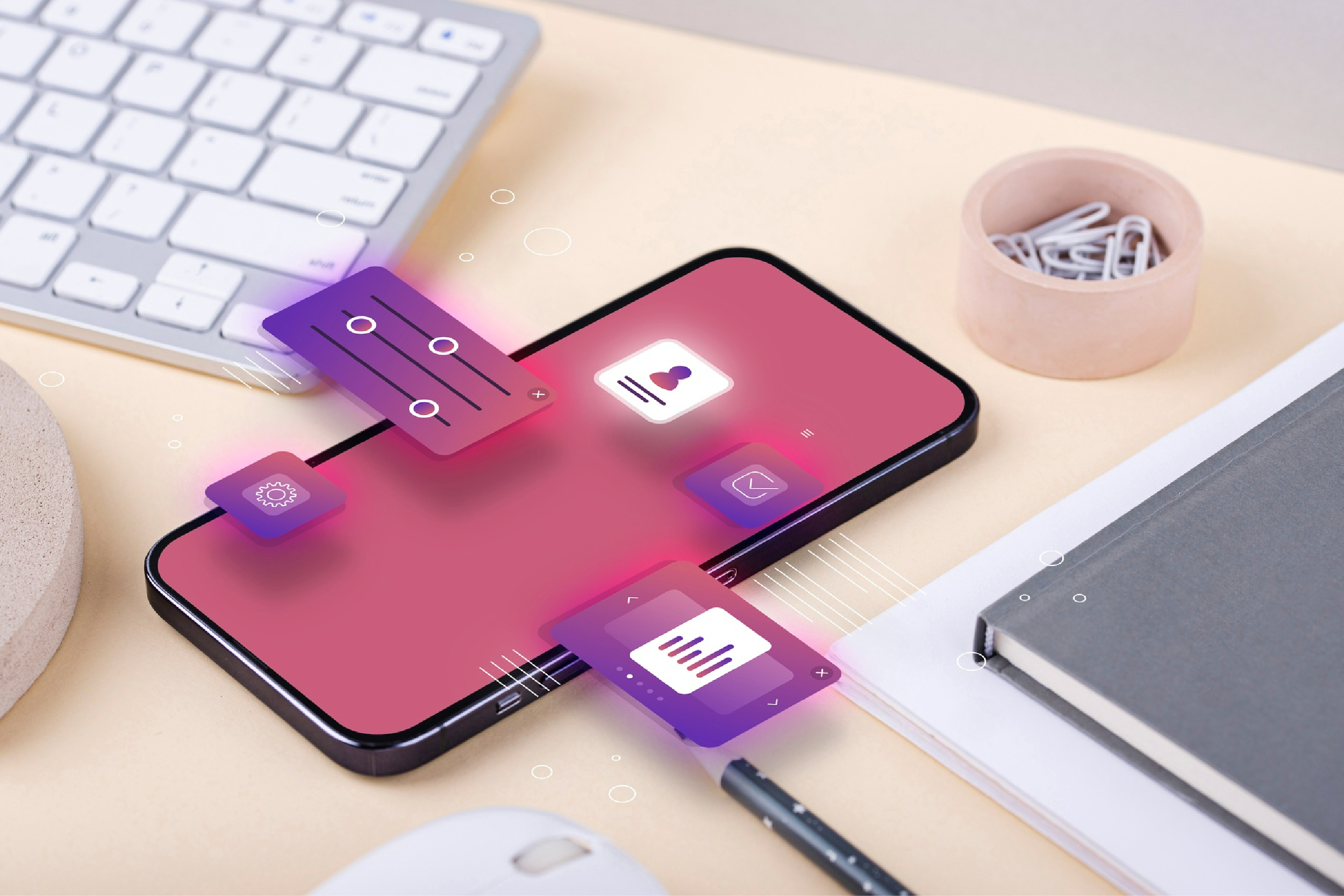
Less is more is truly applicable in the world of digital design and there has been a growing demand for minimal design of late. Simplicity, clarity and functionality are an essential part of minimal design for users to experience intuitive and effective interfaces. Designers are increasingly adopting Minimal UI Design approach to create visually appealing and highly usable experiences for the users. Minimalism helps in making designs stand out and make the designing part easier.
What is Minimal UI Design?
Minimalism is about removing the things that distract, and minimal UI design is about excluding the components that are totally unnecessary. In other words, clean lines, monochromatic color pattern, and high-quality elements enable the users navigate the interface effortlessly. Ultimately minimal UI design is vital strategy to keep the users engaged and retain them across websites, apps and other digital platforms.
The goal with Minimal UI Design is to create something aesthetically pleasing. This design approach can be seen in a variety of digital spaces, from mobile apps to websites. With the rise of mobile-first design and faster internet speeds, minimal UI design has gained popularity, and users are now demanding simplicity more than ever while complicated interfaces are diminishing gradually.
Understanding Principles of Minimal UI Design
Clutter and confusion are failures of design, and it is essential to understand Minimal UI Design Principles as the foundation lies in creation of clean and user-centric interfaces with necessary visual elements like prioritizing content, intuitive navigation and readability. Below are the key principles of Minimal UI Design:
Simplicity
Simplicity is the ultimate sophistication. In an interface, removing unwanted items creates uncluttered space that is functional, and every component serves a distinct purpose. In simplicity it is all about achieving more with less.
Consistency
Maintaining consistency in the design is key for user experience. Color schemes, typography and button style need uniformity as it reduces the learning curve for the repetitive users. Consistency reinforces minimalism.
Functionality
In a Minimal UI Design approach, sacrificing functionality isn’t the right choice. Apparently, functionality is the backbone of a website and every element in the user interface should function to enhance the user’s ability to complete a task. Functionality can be balanced with usability testing and user feedback.

Minimalist Design Trends
With advancements in technology and user preferences, Minimal UI Design trends have evolved and emerged keeping this approach fresh and relevant. The trends are producing futuristic designs and are getting refined and adapted continuously pushing the boundaries of the designers. Here are a few minimal UI design trends shaping minimalism.
Flat Design: This is one of the most common trends in minimal UI design as it focuses on simple and two-dimensional elements. With its clean lines, vibrant colors, basic shapes, bold typography and crisp iconography, flat design trend delivers a contemporary design.
Dark Mode: This trend gained significance over the years and has become a popular trend now that many apps and websites are coming up with dark mode effectively. Dark mode trend provides modern aesthetic reducing strain on the eyes.
Micro-Interactions: Subtle animations like feedback cues and design elements are part of this minimal UI design trend. It provides users the feedback on their actions without overwhelming them and compromising simplicity. This improves usability.
Best Practices
Adopting minimalistic design involves well thought out design choices and implementing minimal UI Design best practices requires a strategic approach to maintain consistency. A few best practices are listed below to incorporate minimalism.
Limit Color Palette
Minimalistic aesthetic gets enhanced by limiting color palette. By restraining multiple colors, visual harmony can be maintained, establishing a hierarchy and users will get to focus on the content in the UI rather than flashy elements.
Prioritize Content
Content is always the show stealer and design approach should revolve around highlighting the key content. This enables users to find the appropriate content easily and engage with it. Typography is also crucial here and always prefer readable fonts and use them consistently.
Mobile-First Design
The use of smartphones has gone exponentially in the last decade and half. So, designers should think of mobile-first design. This practice has a streamlined approach – users get to navigate small screens easily.
Testing
Testing the minimal UI Design reveals whether the minimalistic design is enhancing the user experience and also reports if key features are hidden for unknown reasons by designers/developers.
On the whole, a balance between simplicity, functionality, brand identity and user experience results in successful minimalist design, which can be elevated to the next level with a spacialised UI UX Design Agency.

Examples of Minimal UI Design
A minimalist approach makes designs more adaptable across different platforms and devices. Here are a few real-world Minimal UI design examples of the approach.
- Apple’s Official Website
Leading technology giant, Apple’s official website is a perfect example of minimal UI design. The homepage consists of a larger hero image of its latest iPhone that grabs the attention of the users. It’s a marketing tactic as well to propel iPhone which is the most popular smartphone in the market out there.
- Google’s Search Page
From its inception, search engine leader, Google has been keeping its search page extremely simple. The logo, a long search bar to type, a mic for special users and hit button for search, complete the minimal design. There is absolutely no distraction in Google’s search page, yet the functionality remains strong.
Conclusion
Minimalism is a proven path for higher engagement and will continue to dominate design philosophy in the digital web world. While Minimal UI Design is beyond a passing trend, it will remain at the forefront of user experience innovation. Minimalism integration with latest technologies like AI, augmented reality and voice interfaces, looks promising for designers as well as users.
There has been steady progress and demand for fast, intuitive, and visually simple designs and it continues to rise in the coming days. To catch up with the demand, technologies will blend with minimalism principles, offering users seamless experiences that feel both futuristic and simple.
